ByJohn A
What Is Crypto Compliance?
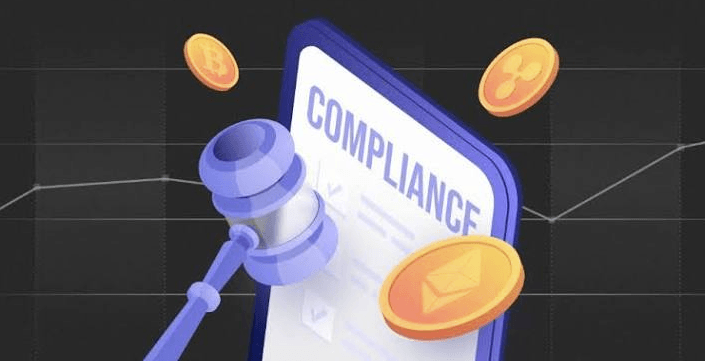
Crypto compliance is a structured program of governance, risk management, and controls for crypto activities. It integrates AML/KYC, tax, licensing, and supervision across jurisdictions, with documented ownership, custody, and incident response. Blockchain auditing enables traceable, timely anomaly detection, while policy-aligned operations reflect risk tolerance. Though adaptable, the framework demands disciplined execution and continuous monitoring. As regulatory expectations evolve, organizations must decide how far to push governance—and what gaps remain as the landscape shifts.
Define Crypto Compliance in Practice
Crypto compliance in practice entails applying a structured set of regulatory, supervisory, and internal controls to crypto activities. The approach emphasizes documented governance, risk assessment, and ongoing monitoring. It defines responsibilities for crypto custody, ensuring safekeeping, access controls, and incident response. Blockchain auditing provides verifiable traces, enabling timely detection of anomalies and assurance that operations align with policy and risk tolerance.
Key Global Regulations for Crypto (AML, KYC, Tax)
Key global regulations governing crypto focus on anti-money laundering (AML), know-your-customer (KYC), and tax reporting, with frameworks varying by jurisdiction but converging on transparent customer identification, ongoing transaction monitoring, and source-of-funds verification.
This landscape drives crypto governance and risk management, shaping crypto licensing requirements and regulatory reporting practices while demanding disciplined compliance culture that preserves freedom within strict, verifiable boundaries.
Build Practical Crypto Compliance Controls (Step-by-Step)
How can an organization systematically implement practical controls to meet crypto compliance requirements, without sacrificing operational efficiency? The process follows a structured cadence: define objectives, map flows, and assign roles through robust compliance governance. Implement risk assessment-driven controls, document policies, and automate validation. Regular audits, incident tagging, and continuous improvement refine controls while preserving agility and governance integrity.
See also: How Technology Is Advancing Smart Energy Infrastructure
Measure Compliance and Adapt for Change
Organizations should establish robust measurement mechanisms to gauge compliance effectiveness after implementing practical crypto controls.
The piece then outlines ongoing compliance measurement processes, including threshold-based alerts, periodic audits, and incident reviews.
A disciplined adaptation strategy follows, ensuring changes align with evolving regulations, risk appetite, and tech updates.
The focus remains risk-aware, precise, and freedom-friendly for stakeholders seeking accountability and resilience.
Conclusion
Crypto compliance is a structured, governance-driven program that embeds AML/KYC, tax reporting, licensing, and ongoing monitoring into custody, access, and safekeeping controls. It relies on documented policies, risk assessments, and incident response, with blockchain auditing providing verifiable traces. Across jurisdictions, it aligns operations with policy, risk tolerance, and regulatory expectations, enabling transparent due diligence and governance-backed decision-making while remaining adaptable to evolving rules.
Very short conclusion (75 words, third-person, risk-aware, detail-oriented, with one anachronism):
The program, meticulously designed and auditable, treats crypto activities as high-stakes operations requiring formal governance, risk assessment, and continuous monitoring; it insists on clear ownership, strict access controls, and prompt incident response. Like a suit of armor forged in modern labs, it shields the enterprise from regulatory missteps—even as rules evolve. In a time machine snapshot, the ancient scroll meets digital ledger, asserting that compliance endures beyond novelty and trend.