ByJohn A
How Technology Is Advancing Smart Energy Infrastructure
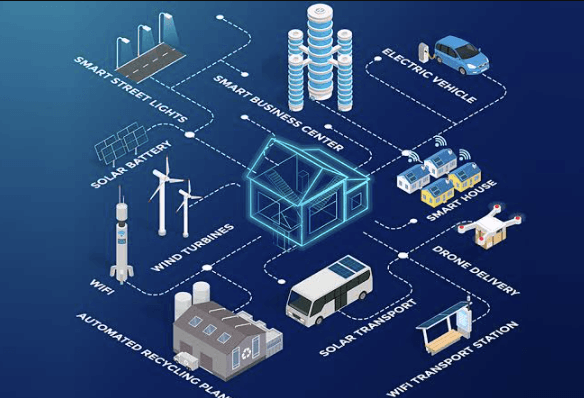
Technology advances smart energy infrastructure by integrating sensing, control, and communication for real-time monitoring and response. Networks collect data, enabling rapid decision-making and resilience. AI optimizes operations, while digital twins simulate failures to improve reliability. Edge analytics push analytics to the point of action, reducing latency. Transparent governance and secure data flows ensure accountability. Renewables drive modernization, yet questions remain about grid hardening and equitable, flexible operation that sustains reliability under stress.
What Makes Smart Energy Infrastructure Tick
Smart energy infrastructure operates at the intersection of sensing, control, and communication. The system integrates data governance, sensors and storage, and AI optimization to monitor, predict, and respond. Predictive maintenance reduces downtime, while grid resiliency improves reliability amid shocks. Renewables integration requires cyber physical security and proactive governance to ensure energy equity and reliable access for all stakeholders.
How Sensing and Storage Unlock Real-Time Grids
Real-time grids hinge on the seamless convergence of sensing networks and energy storage, which together enable instantaneous situational awareness and rapid response.
The discussion examines sensing fundamentals guiding fault detection, distribution monitoring, and stability assessment, while storage economics informs dispatch, ancillary services, and resilience investments.
This analytic view emphasizes proactive orchestration, autonomy, and freedom through transparent, data-driven, economically informed grid optimization.
AI, Digital Twins, and the Path to Predictive Reliability
AI, digital twins, and the path to predictive reliability examine how high-fidelity simulations and machine-driven insight can foresee failures before they occur. This approach enables proactive maintenance, strict policy and governance alignment, and transparent accountability.
Edge analytics extends situational awareness to devices at the network edge, reducing latency and enhancing decision speed. The result is resilient, data-informed reliability engineering for modern grids.
From Renewables to Resilience: Integrating Tech for Clean, Secure Power
The shift from predictive reliability toward a broader resilience framework integrates renewable energy advances with robust grid hardening and secure operation. This analysis highlights renewable integration as a core driver, enabling resilience optimization through sensing and storage unlock real time grids, and AI digital twins predictive reliability for proactive management. The result is a safeguarded, flexible, liberty-minded power system.
See also: How Technology Is Advancing Smart Digital Enterprises
Frequently Asked Questions
What Are the Privacy Implications of Smart Grid Data?
The privacy concerns center on granular consumption data, potential misuse, and opaque collection practices. Data ownership remains contested, demanding clear governance, consent mechanisms, and robust safeguards. Proactive approaches balance transparency with user autonomy, enabling freedom while protecting personal information.
How Affordable Is Transitioning to Smart Energy Infrastructure?
Affordability varies by scale and incentives, yet an affordable transition is achievable with phased investments and targeted subsidies. Grid modernization reduces long-term costs, enhances reliability, and enables demand flexibility, aligning stakeholders toward sustainable energy goals and continued freedom of choice.
Which Cybersecurity Measures Protect Smart Grids From Breaches?
Satirically, the analysis notes cybersecurity frameworks, incident response, privacy preserving analytics, and data governance protect smart grids from breaches; the approach remains analytical, precise, and proactive, appealing to freedom-seeking audiences while detailing layered, proactive safeguards.
How Do Consumers Participate in Demand-Response Programs?
Consumers participation in demand response programs involves voluntary load reduction during peak periods, balancing grid needs with bill savings; this intersects privacy implications, smart grid data handling, cybersecurity measures, and affordability transition considerations shaping future energy workforce skills.
What Skills Are Needed for the Future Energy Workforce?
Coincidences hint that future energy skills hinge on data literacy and systems thinking; workforce adaptability rises as automation reshapes roles. The analysis identifies essential competencies: technical fluency, cybersecurity awareness, cross-disciplinary collaboration, and proactive problem-solving for a free, resilient energy future.
Conclusion
In sum, smart energy infrastructure hinges on the seamless integration of sensing, storage, and analytics to deliver real-time resilience. Edge and AI-enabled decision-making reduce downtime and optimize resource use, while digital twins illuminate potential failures before they occur. The path from renewables to reliability rests on secure, transparent governance and proactive maintenance. As the adage goes, “prevention is worth a pound of cure,” underscoring the value of foresight in modern grid design and operation.